
The competition among flagship killer smartphones is heating up again after the Motorola Signature officially launched in Indonesia, immediately going head-to-head with the Xiaomi 17T Pro. Many premium features are being contested, from design, display, performance, to cameras. Follow the discussion until the end so you don’t make the wrong choice.
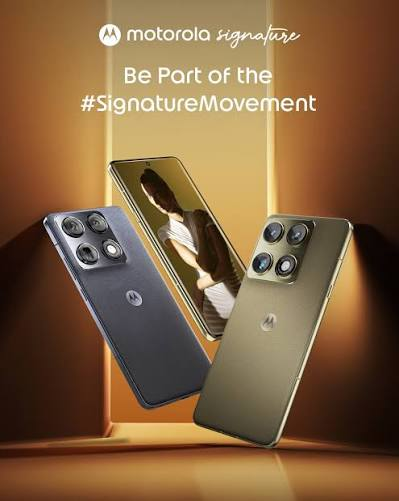
Why did the Motorola Signature immediately steal the spotlight in the flagship killer class?
Motorola is trying to enter with a different approach. Instead of merely chasing performance numbers, this device offers a combination of premium design, slim body, flagship‑grade display, and long‑term software support. The arrival of this product automatically challenges Xiaomi’s dominance in the flagship killer segment.
Is the Motorola Signature design really more comfortable than the Xiaomi 17T Pro?
Yes, in terms of ergonomics, the Motorola Signature comes out ahead. This device is only about 7 mm thick and weighs roughly 180 grams. Those numbers make it feel light during prolonged use, whether for gaming or simply browsing social media.
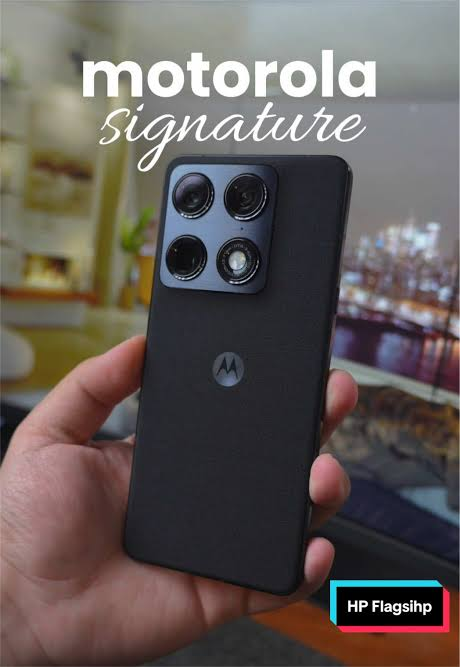
By contrast, the Xiaomi 17T Pro has larger dimensions. Its thickness reaches around 8.3 mm with a weight of about 222 grams, making it feel denser in the hand. Motorola also introduces a rear panel texture resembling fine fabric, giving it a distinctive feel compared to most flagship smartphones.
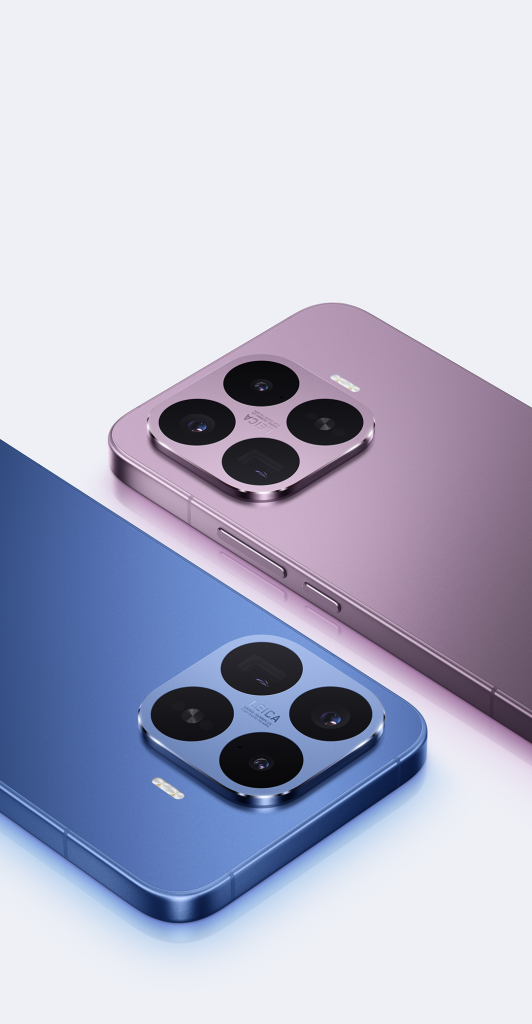
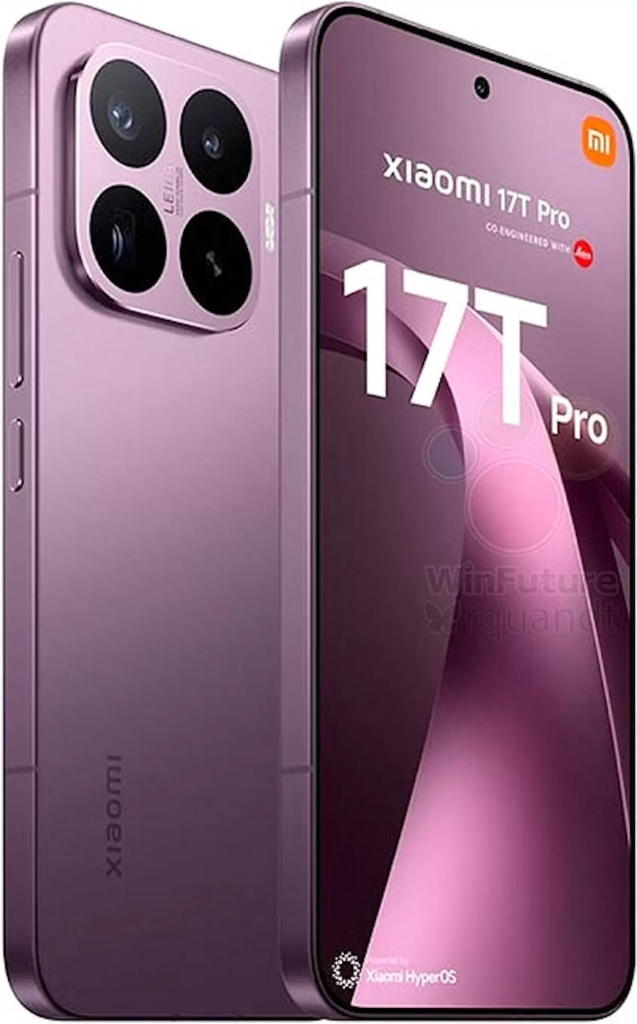
On the other hand, Xiaomi maintains a clean minimalist design approach. For some users, the rear camera layout of the Xiaomi looks simpler compared to Motorola’s relatively large camera module. These differences ultimately come down to personal preference. If comfort is the top priority, the Motorola Signature offers a lighter grip experience based on the testing shown in the video.
“Motorola is much thinner and lighter compared to the Xiaomi 17T Pro.”
What makes the Motorola Signature’s display superior to the Xiaomi 17T Pro?
The display is one of the biggest differentiators in this comparison. The Motorola Signature already uses an LTPO panel that can automatically adjust its refresh rate, ranging from 1 Hz when the screen is idle to high refresh rates when needed.
This technology helps power consumption become more efficient without sacrificing user comfort. According to the video test results, Motorola’s display can even reach refresh rates up to 165 Hz in certain apps or games.
By contrast, the Xiaomi 17T Pro still relies on a non‑LTPO panel, so its adaptive capabilities are not as advanced as Motorola’s.
Another difference lies in screen protection. The Motorola Signature is equipped with Gorilla Glass Victus 2, a flagship‑grade protection, while the Xiaomi 17T Pro still uses Gorilla Glass 7i.
“The refresh rate can drop to as low as 1 Hz when the screen is idle.”
Beyond specifications, the user experience also feels different. Motorola’s curved display provides a more premium visual effect when scrolling or enjoying multimedia content. Meanwhile, Xiaomi maintains a flat‑screen design that is easier to fit with screen protectors.
| Feature | Motorola Signature | Xiaomi 17T Pro |
|---|---|---|
| Panel type | LTPO | Non‑LTPO |
| Refresh rate | Adaptive 1 Hz – 165 Hz | Standard (non‑adaptive) |
| Screen protection | Gorilla Glass Victus 2 | Gorilla Glass 7i |
| Display design | Curved (premium visual effect) | Flat (easier to apply protector) |
Why is USB 3.1 a key advantage for the Motorola Signature?
Not many smartphones in this price range pay attention to port capabilities. Motorola, however, makes it one of its main strengths.
The Motorola Signature is equipped with USB 3.1, supporting faster data transfer speeds as well as Display Out. When connected to a monitor via a USB Type‑C cable, the device can immediately activate the Smart Connect feature.
This feature transforms the smartphone into a mini desktop with a computer‑like interface. Users can open multiple apps in windowed mode, multitask, and even use the phone’s screen as a track-pad.
“Once plugged into a monitor, Smart Connect activates instantly.”
This capability makes Motorola appealing not only for entertainment but also for productivity tasks such as presentations, document editing, and working with an external monitor.
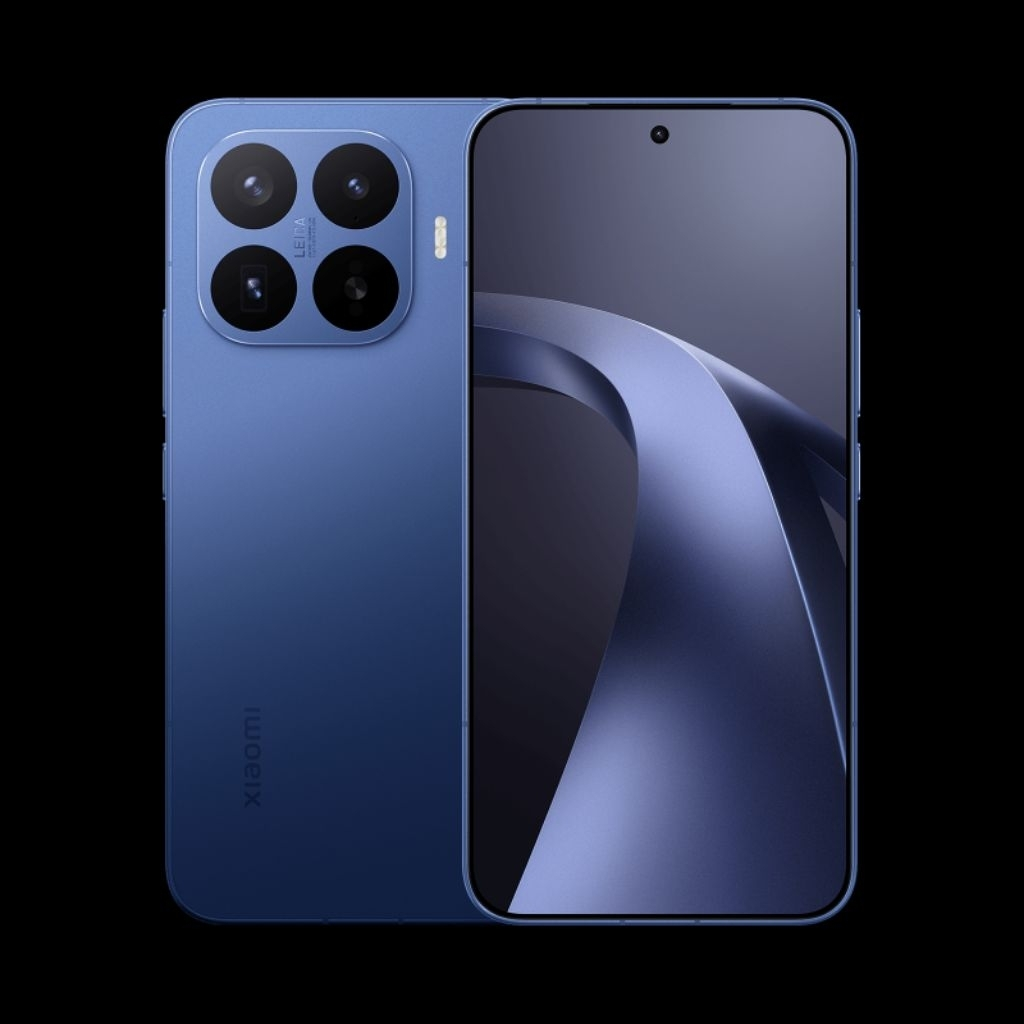
By contrast, the Xiaomi 17T Pro still uses USB 2.0. While it can charge and transfer data, the port does not support Display Out, meaning it cannot deliver the desktop‑like experience Motorola offers.
Can the Motorola Signature’s performance still compete with the Xiaomi 17T Pro?
Looking at benchmark numbers, Xiaomi does lead.
The Motorola Signature runs on the Snapdragon 8 Gen 5 non‑Elite version, scoring around 3 million points on AnTuTu. That’s already very high for demanding tasks, including heavy gaming.
However, in GadgetIn’s testing, the Xiaomi 17T Pro powered by the MediaTek Dimensity 9500 scored about 20% higher than Motorola.
Even so, real‑world gaming showed little difference. Running Genshin Impact at the highest graphics settings, Motorola maintained nearly 60 FPS with operating temperatures around 42–43 °C.
“Playing Genshin Impact remains stable at nearly 60 FPS.”
This means Motorola may fall behind in raw benchmark numbers, but everyday use and heavy gaming still feel smooth. The difference only becomes noticeable for users who truly chase the absolute highest performance.
How good is the Motorola Signature’s camera for photos and videos?
The Motorola Signature takes an interesting approach to its camera system. Almost all of its cameras use a 50 MP resolution — from the main camera, ultra-wide, 3x periscope telephoto, to the front camera.
This consistency is one of its key selling points. Photos from each lens showed uniform color character and maintained detail when switching between cameras.
“All of its cameras are 50 MP.”
Motorola also uses a Sony Lytia sensor for the main camera, producing sharp photos with consistent color reproduction under good lighting conditions.
The front camera supports video recording up to 4K 60 FPS, making it appealing for content creation and high‑quality video calls.
However, there is one important note.
When recording video with the rear cameras, the results were judged to be less refined compared to competitors. Video colors appeared slightly washed out, and autofocus occasionally struggled, especially in low‑light conditions.
“Rear camera video still not optimal.”
For users who primarily take photos, Motorola delivers an excellent experience. But if rear video quality is the top priority, the Xiaomi 17T Pro still holds the advantage according to the test results.
What shortcomings of the Motorola Signature should be considered?
Although it performs strongly in many areas, the Motorola Signature still has several limitations worth noting before making a purchase. Some of these are even quite surprising for a smartphone in the flagship killer price range.
Key drawbacks highlighted in the review include:
- No e‑SIM support, relying only on dual physical Nano SIMs.
- No bundled screen protector in the sales package.
- Tempered glass for curved displays is relatively hard to find in the Indonesian market.
- Only available in a 256 GB storage variant, with no 512 GB option.
- Benchmark performance remains below the Xiaomi 17T Pro, even though daily use is still very fast.
On the other hand, Motorola compensates with exceptionally long software support. The device is promised to receive 7 years of operating system updates and 7 years of security updates, a commitment rarely found among Android smartphones in this price class.
“Motorola provides 7 years of OS updates and 7 years of security updates.”
This long‑term support becomes a major advantage for users planning to keep their smartphone for many years.
Key Takeaways:
- Motorola Signature excels with its slim design and lightweight build, making it comfortable for daily use.
- The LTPO panel with Gorilla Glass Victus 2 is one of its biggest advantages over the Xiaomi 17T Pro.
- USB 3.1 and the Smart Connect feature deliver a desktop‑like productivity experience.
- Xiaomi 17T Pro still leads in raw performance and rear video recording quality.
- Motorola promises long‑term support with 7 years of OS updates and 7 years of security updates.
- Lack of e‑SIM support and difficulty finding curved‑screen accessories are drawbacks to consider.
Motorola Signature shows that the flagship killer competition in 2026 is no longer determined solely by benchmark scores. Everyday user experience has become just as important. The LTPO display, lightweight body, USB 3.1, and seven years of software support provide real value for long‑term use.
From the perspective, the final choice depends on individual needs. If activities are more focused on productivity and comfort, Motorola is very appealing. However, for those chasing maximum performance and more refined video quality, the Xiaomi 17T Pro remains worth considering.