
Artificial Intelligence (AI) has become the most defining feature in the development of smartphones in 2026.
If previously AI was only used to beautify photos or assist voice commands, today the technology has evolved into the core of many essential functions—ranging from productivity, real-time language translation, photo and video editing, to smarter battery management.
Thanks to the support of increasingly powerful chips with Neural Processing Units (NPUs), various AI processes can now run directly on the device (on‑device AI), making them faster while also safeguarding user privacy.
There are seven advanced smartphones considered to have the most sophisticated AI technology in 2026.
1. Google Pixel 10 Pro Google remains one of the leaders in smartphone AI development through the Pixel 10 Pro series. The device’s main strength lies in the deep integration between the Android operating system and Google’s proprietary AI models. Users can take advantage of features such as AI‑powered photo editing, automatic voice transcription, real‑time conversation translation, and the Best Take function, which combines the best expressions from multiple shots into one perfect photo. In addition, the Pixel 10 Pro comes with up to seven years of software updates, making it one of the longest‑lasting premium smartphones on the market.
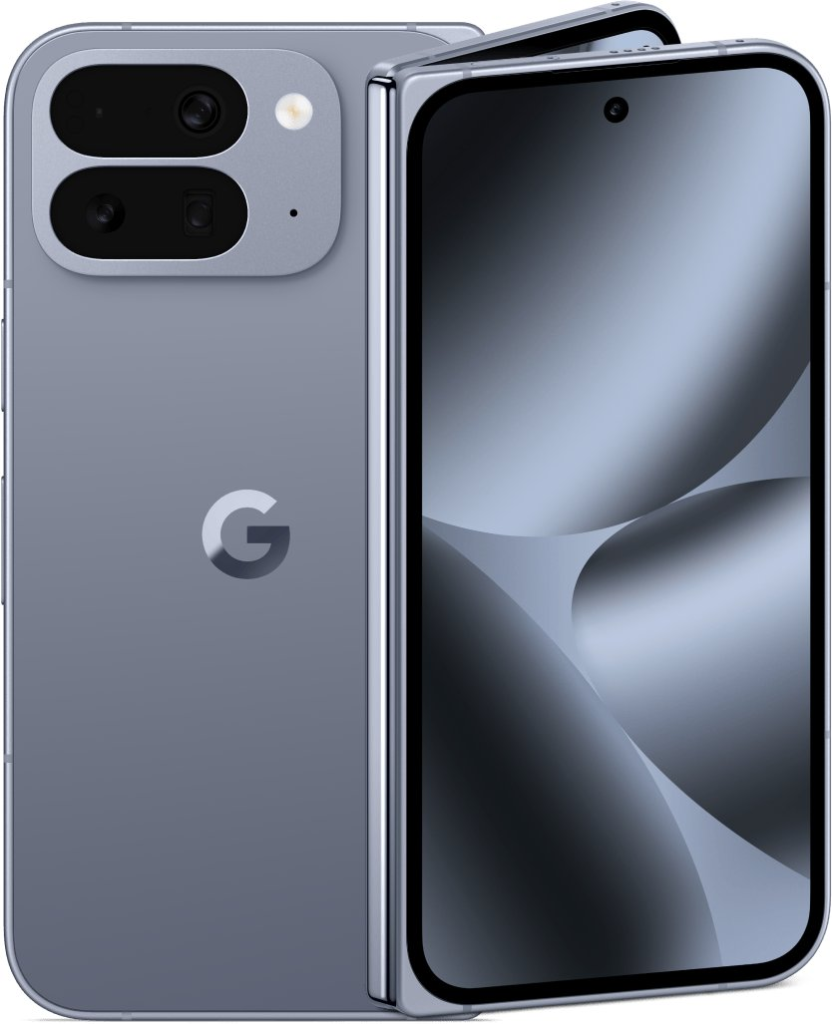
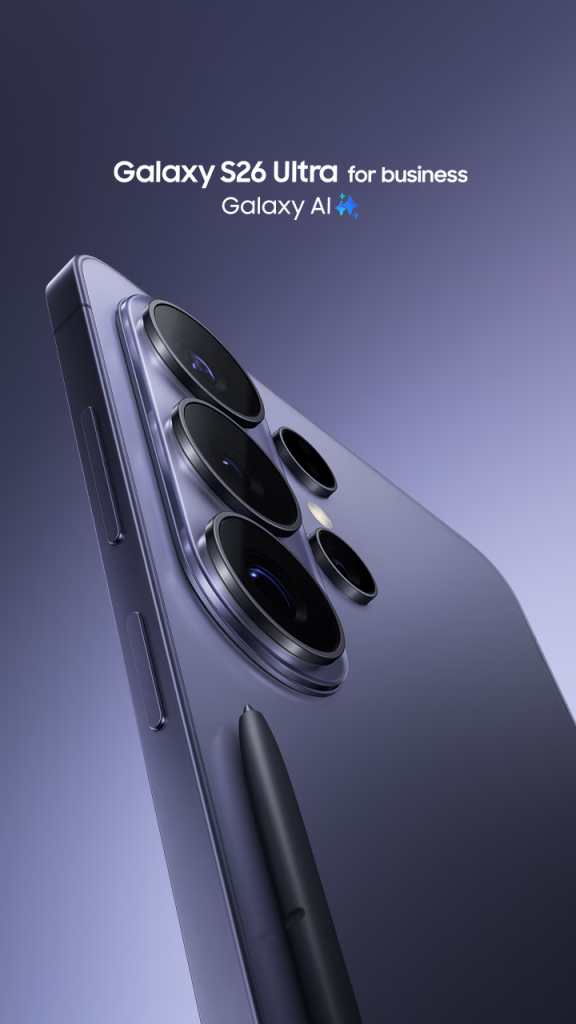
2. Samsung Galaxy S26 Ultra Samsung continues to expand the capabilities of Galaxy AI with the Galaxy S26 Ultra. This device offers a wide range of productivity features, including automatic document summarization, real‑time phone call translation, object removal in photos and videos, and enhanced audio recording quality powered by AI. Samsung also leverages the latest NPU in the Snapdragon chipset to accelerate on‑device AI processing, allowing these features to run without constant reliance on an internet connection. According to several reviewers, the Galaxy S26 Ultra stands out as one of the most complete Android smartphones for productivity and professional work.
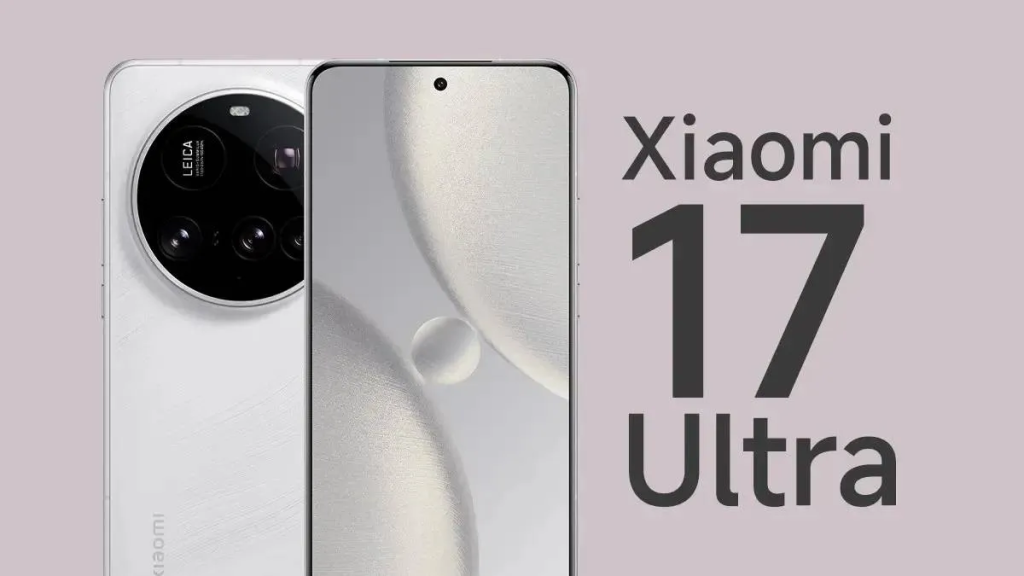
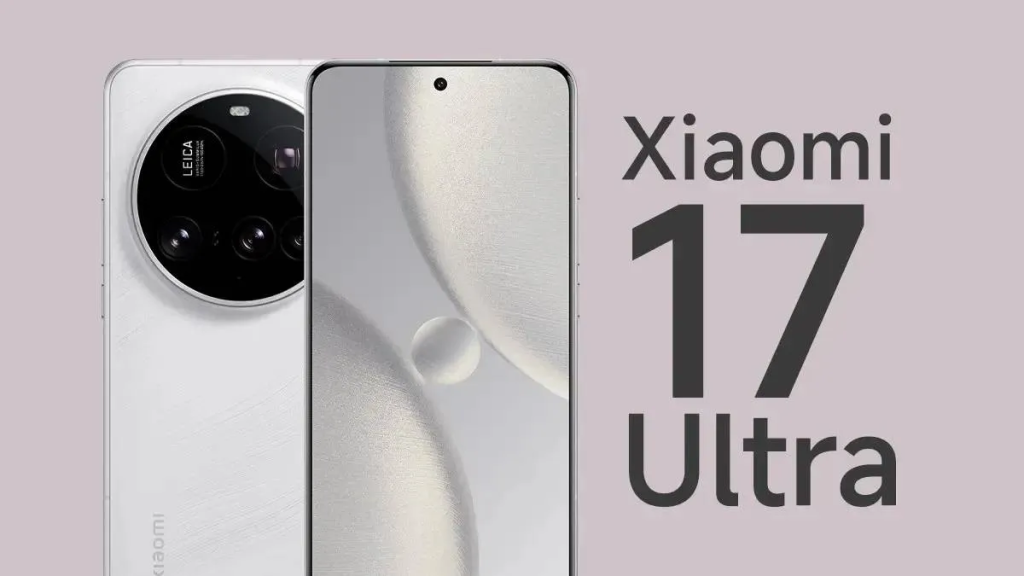
3. Xiaomi 17 Ultra Xiaomi introduces a range of AI innovations through its latest HyperOS on the Xiaomi 17 Ultra. Users can leverage AI to summarize documents, generate meeting notes, automatically edit photos, translate foreign languages, and even optimize device performance based on usage habits. In addition, the Leica camera system combined with AI ensures consistent photo quality across different lighting conditions.
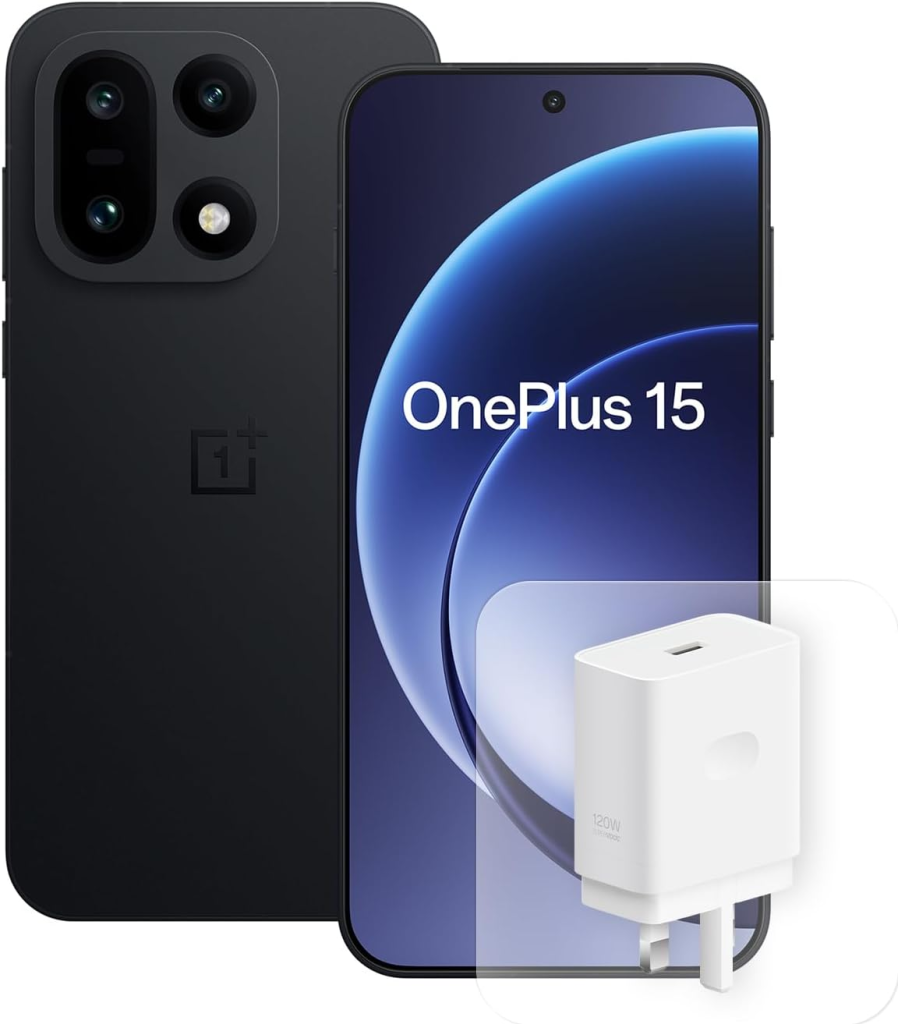
4. OnePlus 15 The OnePlus 15 stands out as a smartphone that offers an appealing balance between high performance and advanced AI features. The device introduces a variety of AI‑powered capabilities, including battery optimization, enhanced video call quality, object removal in photos, and performance management that intelligently adjusts power consumption based on user habits. In addition, the OnePlus 15 is well‑known for its excellent battery endurance, making it an ideal choice for users with high mobility.
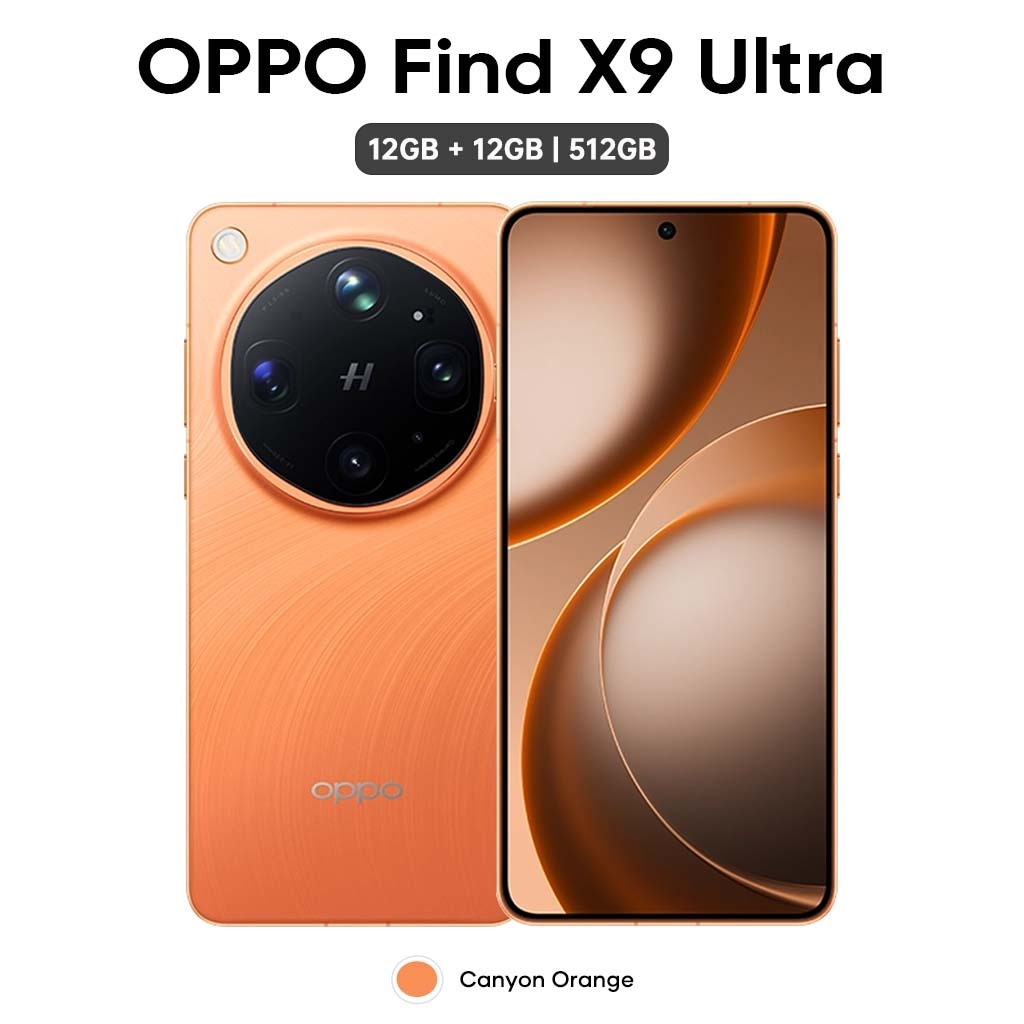
5. Oppo Find X9 Ultra Oppo continues to strengthen its position with the Find X9 Ultra, which combines advanced AI technology with a camera system developed in collaboration with Hasselblad. AI is used to enhance night photography, refine facial details, reduce motion blur, and assist with photo and video editing in just a few taps. Many smartphone camera reviewers consider the Find X9 Ultra one of the best mobile photography devices thanks to its premium hardware and increasingly refined AI processing.
6. Xiaomi 17 Ultra Xiaomi brings a host of AI innovations through its latest HyperOS on the Xiaomi 17 Ultra. Users can rely on AI to summarize documents, generate meeting notes, automatically edit photos, translate foreign languages, and optimize device performance based on usage patterns. The Leica camera system, paired with AI, ensures consistent photo quality across a wide range of lighting conditions.
7. Honor Magic 8 Pro Honor has emerged as one of the most aggressive developers of AI outside the three major brands. The Magic 8 Pro offers an AI assistant capable of understanding work context, managing documents, assisting with scheduling, translating cross‑language conversations, and optimizing power consumption based on the user’s daily activities.
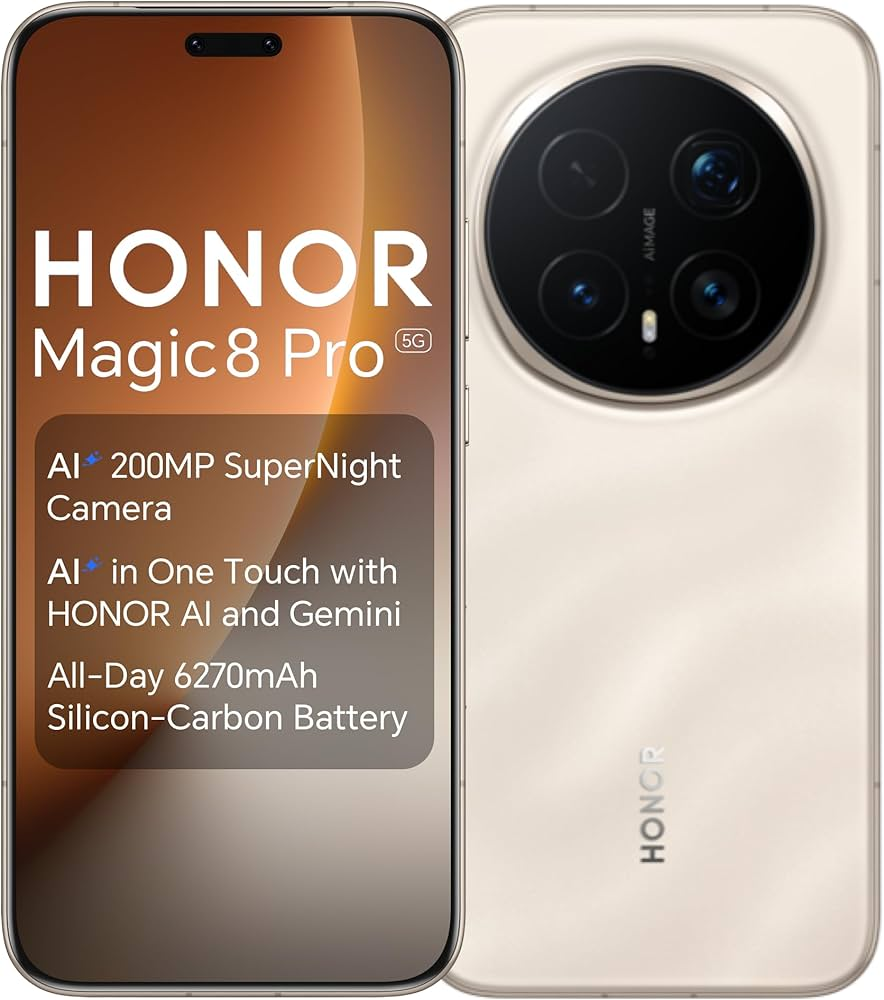
Honor’s strategy shows that AI is no longer just an additional feature, but has become a core part of the modern smartphone experience.
Industry analysts believe that by 2026, consumers will no longer focus solely on specifications such as cameras, RAM, or chipsets. AI capabilities have become one of the most important indicators, as they directly impact productivity, creativity, and overall device efficiency. Features like real‑time translation, automatic photo editing, natural language search, document summarization, and smart battery management are transforming smartphones into true personal digital assistants.
The evolution of AI has transformed the way users interact with advanced smartphones. The Google Pixel 10 Pro, Samsung Galaxy S26 Ultra, Apple iPhone 17 Pro Max, OnePlus 15, Oppo Find X9 Ultra, Xiaomi 17 Ultra, and Honor Magic 8 Pro represent a lineup of devices that demonstrate how artificial intelligence has now become the very core of the modern mobile experience.